clinical features of diabetic ketoacidosis Diabetic ketoacidosis (dka)
Diabetic Ketoacidosis (DKA) – Why should it matter to me?
Understanding Diabetic Ketoacidosis
Diabetic Ketoacidosis (DKA) is a serious complication that can arise from uncontrolled diabetes. It occurs when the body starts breaking down fat to use as fuel because there is not enough insulin available to properly metabolize glucose.
DKA often affects individuals with type 1 diabetes, but it can also occur in those with type 2 diabetes under certain circumstances. It is more common in individuals who have not been diagnosed or are not managing their diabetes effectively.
One of the main causes of DKA is a lack of insulin. This can be due to missed injections, fasting, illness, or a severe infection. In addition, it can also be triggered by emotional or physical stress.

Recognizing the Symptoms
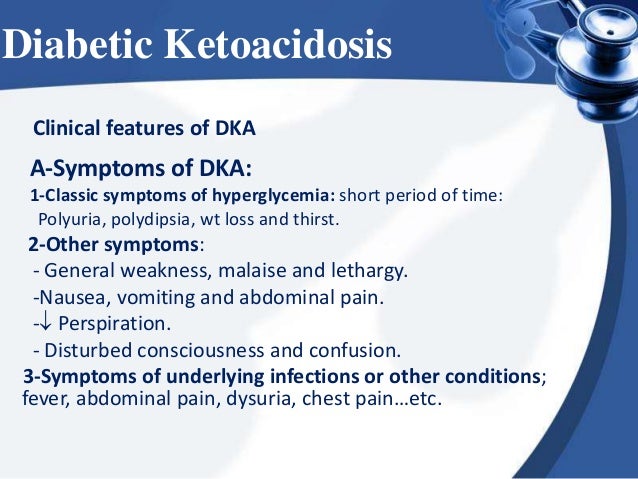
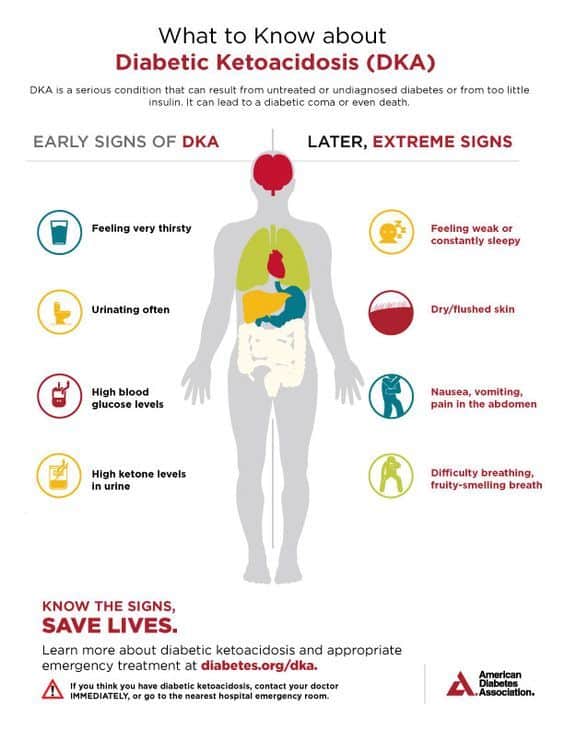
It’s crucial to be familiar with the signs of DKA in order to seek prompt medical attention. Some common symptoms include:
- Extreme thirst
- Frequent urination
- Abdominal pain
- Nausea and vomiting
- Difficulty breathing
If you or someone you know experiences these symptoms, it is essential to seek immediate medical help. Untreated DKA can lead to a life-threatening condition.
Treating Diabetic Ketoacidosis
If diagnosed with DKA, treatment requires immediate hospitalization. The primary goal is to restore the body’s insulin levels and correct the electrolyte imbalances caused by the condition.
Treatment typically involves:
- Intravenous fluids to rehydrate the body
- Insulin therapy to lower blood glucose levels
- Electrolyte replacement through IV fluids
The recovery period for DKA varies depending on the severity of the condition. It may take several days before the patient’s blood glucose level stabilizes.
Preventing Diabetic Ketoacidosis
Prevention is key to avoiding DKA. Here are a few essential tips:
- Regularly monitor blood glucose levels
- Take insulin as prescribed
- Keep emergency contact information easily accessible
- Be aware of the signs and symptoms of DKA
- Seek medical help immediately if symptoms occur
Remember, keeping your diabetes under control is vital in preventing complications such as DKA. Work closely with your healthcare team to establish an effective management plan.
If you are looking for Diabetic ketoacidosis (DKA) | Ketosis symptoms and treatment | Diabetes UK you’ve visit to the right place. We have 5 Pics about Diabetic ketoacidosis (DKA) | Ketosis symptoms and treatment | Diabetes UK like Diabetic ketoacidosis (DKA) | Ketosis symptoms and treatment | Diabetes UK, DKA: Diabetic Ketoacidosis - Hohman Rehab Physical Therapy and also DKA: Diabetic Ketoacidosis - Hohman Rehab Physical Therapy. Here you go:
Diabetic Ketoacidosis (DKA) | Ketosis Symptoms And Treatment | Diabetes UK
 www.diabetes.org.ukdka ketoacidosis diabetic complications symptome fruity ketosis ketones mellitus anzeichen mantracare abdominal ursachen urine coma occasionally affects
Diabetic Ketoacidosis (DKA) | Calgary Guide | Diabetic Ketoacidosis
 www.pinterest.comketoacidosis pathophysiology dka diabetes ucalgary calgaryguide physiology pathogenesis renal mellitus acidosis grepmed cetoacidosis metabolic clinical pharmacology enfermería complication
DKA: Diabetic Ketoacidosis - Hohman Rehab Physical Therapy
 hohmanrehab.comketoacidosis diabetic dka diabetes type nursing symptoms blood sugar signs infographic ketosis diet low complication facts mellitus keto deadly notes
Diabetic Ketoacidosis
www.slideshare.netketoacidosis diabetic dka symptoms clinical
Diabetic Ketoacidosis (DKA) – Why Should It Matter To Me? | Nipro
www.pinterest.caketoacidosis dka nipro
Dka ketoacidosis diabetic complications symptome fruity ketosis ketones mellitus anzeichen mantracare abdominal ursachen urine coma occasionally affects. Diabetic ketoacidosis (dka) – why should it matter to me?. Ketoacidosis diabetic dka diabetes type nursing symptoms blood sugar signs infographic ketosis diet low complication facts mellitus keto deadly notes