can you die of diabetic ketoacidosis Ketoacidosis diabetic dka diabetes nursing type treatment mechanism ketosis vs symptoms nurse ketogenic sepsis notes signs sugar cancer body insulin
Diabetes is a serious health condition that affects millions of people worldwide. It requires careful management and monitoring to prevent complications. One of the key aspects of diabetes management is understanding and controlling blood sugar levels, also known as hyperglycemia, to avoid a condition called diabetic ketoacidosis (DKA). Today, we will explore this topic in-depth and provide valuable insights into hyperglycemia and ketoacidosis, two potentially dangerous conditions for individuals with diabetes.
Hyperglycemia - Understanding the Basics
Hyperglycemia refers to high blood sugar levels, which can occur when the body loses its ability to produce enough insulin or when insulin becomes less effective. Insulin is a hormone that helps regulate blood sugar levels by allowing glucose to enter the cells for energy. When blood sugar levels rise, it indicates that there is not enough insulin or the body is not utilizing it properly.
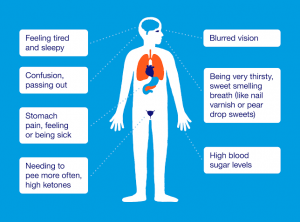
Hyperglycemia can cause various symptoms such as increased thirst, frequent urination, fatigue, blurred vision, and slow wound healing. It is crucial to manage this condition effectively to prevent further complications.
Diabetic Ketoacidosis (DKA) - A Serious Complication
Diabetic ketoacidosis, commonly known as DKA, is a severe complication that can arise from hyperglycemia. It occurs when the body starts breaking down fat for energy due to a lack of insulin. This leads to the production of ketones, which are chemicals that build up in the blood and urine.
DKA is more common in individuals with type 1 diabetes, but it can also occur in people with type 2 diabetes in certain circumstances. It is considered a medical emergency and requires immediate attention to prevent life-threatening complications.
Preventing and Managing Hyperglycemia and DKA
The management of hyperglycemia and DKA involves several important steps. Firstly, it is essential to regularly monitor blood sugar levels. This can be done through self-monitoring with a glucometer or continuous glucose monitoring systems. By keeping a close eye on blood sugar levels, individuals can make appropriate adjustments to their diabetes management plan, such as adjusting insulin dosages or modifying their diet.
Additionally, maintaining a healthy lifestyle is crucial for preventing hyperglycemia and DKA. This includes eating a balanced diet that is low in sugar and carbohydrates, engaging in regular physical activity, and managing stress levels effectively.
If hyperglycemia persists or worsens, it is important to consult with a healthcare professional. They may recommend adjustments to medication or insulin therapy to improve blood sugar control. It is crucial to follow their guidance and attend regular check-ups to monitor overall health and diabetes management.
Raising Awareness and Education
Understanding hyperglycemia and DKA is essential for individuals with diabetes and their loved ones. By staying informed about the signs, symptoms, and prevention strategies, individuals can take proactive steps towards managing their condition effectively.
Educational resources, such as the ones we have referenced in this post, play a critical role in disseminating knowledge and empowering individuals with the information they need to make informed decisions about their health. Remember to always consult reliable sources and healthcare professionals to supplement your understanding and ensure accurate information.
By promoting awareness and education, we can work together to improve the lives of individuals living with diabetes and reduce the risks associated with hyperglycemia and DKA.
Conclusion
Hyperglycemia and diabetic ketoacidosis are two significant challenges faced by individuals with diabetes. By understanding the basics, recognizing the symptoms, and taking proactive steps towards prevention and management, individuals can reduce the chances of developing these complications. Regular monitoring, a healthy lifestyle, and consulting healthcare professionals for guidance are key elements in effectively managing hyperglycemia and DKA. Remember, knowledge is power, and by staying informed, individuals can take control of their health and lead fulfilling lives despite the challenges posed by diabetes.

Image Source: Link
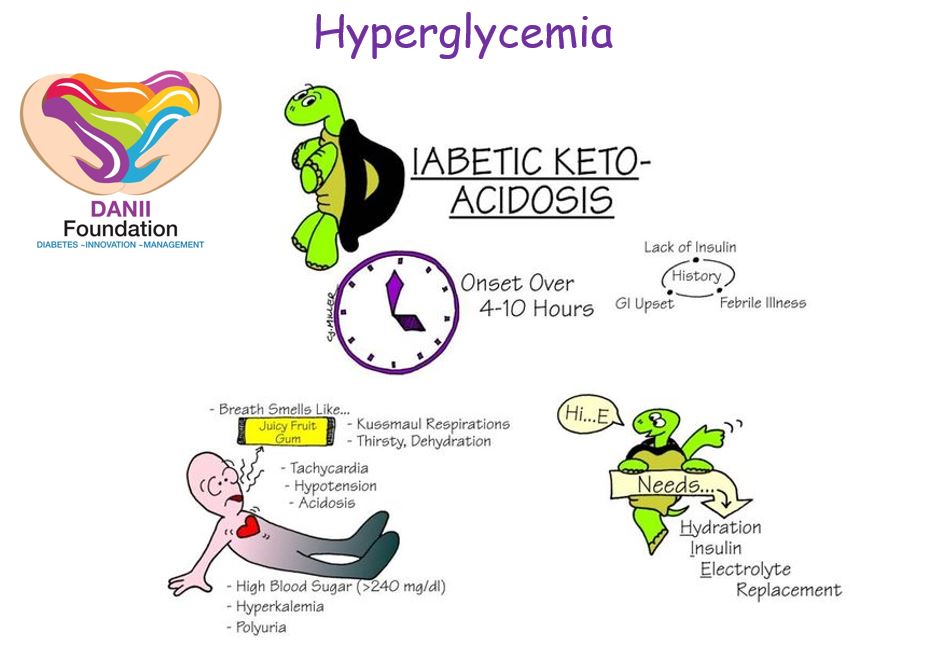
Image Source: Link
If you are searching about Can You Die From Diabetes Type 1 you’ve visit to the right place. We have 5 Pictures about Can You Die From Diabetes Type 1 like Pathogenesis of diabetic ketoacidosis | Download Scientific Diagram, 17 Best images about DKA/HHNS on Pinterest | Type 1 diabetes, Nursing and also 17 Best images about DKA/HHNS on Pinterest | Type 1 diabetes, Nursing. Here it is:
Can You Die From Diabetes Type 1
 healthyrex.comketoacidosis symptoms
Hyperglycemia DKA (Ketoacidosis) & Ketones - Diabetes - Innovation
danii.org.auketoacidosis dka diabetic hyperglycemia ketones lead coma death danii hypo serious passing condition au cycle
Pin On DIABETIC FOOD/INFO
www.pinterest.comdiabetic ketoacidosis prevention fruity odor a1c symptoms pain icu
Pathogenesis Of Diabetic Ketoacidosis | Download Scientific Diagram
 www.researchgate.netketoacidosis diabetic pathogenesis
17 Best Images About DKA/HHNS On Pinterest | Type 1 Diabetes, Nursing
 www.pinterest.comketoacidosis diabetic dka diabetes nursing type treatment mechanism ketosis vs symptoms nurse ketogenic sepsis notes signs sugar cancer body insulin
Can you die from diabetes type 1. Diabetic ketoacidosis prevention fruity odor a1c symptoms pain icu. Pathogenesis of diabetic ketoacidosis